Liver Ultrasound: What It Shows
A liver ultrasound is a quick, painless scan that uses sound waves. It is often how fatty liver is first picked up, and a result like that is usually the start of a conversation with your GP rather than a cause for alarm.
Your liver sits in the upper right of your tummy, under your ribs. An ultrasound scan can show it, along with nearby organs such as the gallbladder, without any radiation. It is one of the tests doctors use when blood tests suggest something is going on with the liver, or when someone has symptoms in that area.
This guide explains what a liver ultrasound involves, what it can show, what common results such as fatty liver mean according to the NHS, and what to do next. It is general information and does not replace advice from a clinician who knows your history.
What a liver ultrasound involves
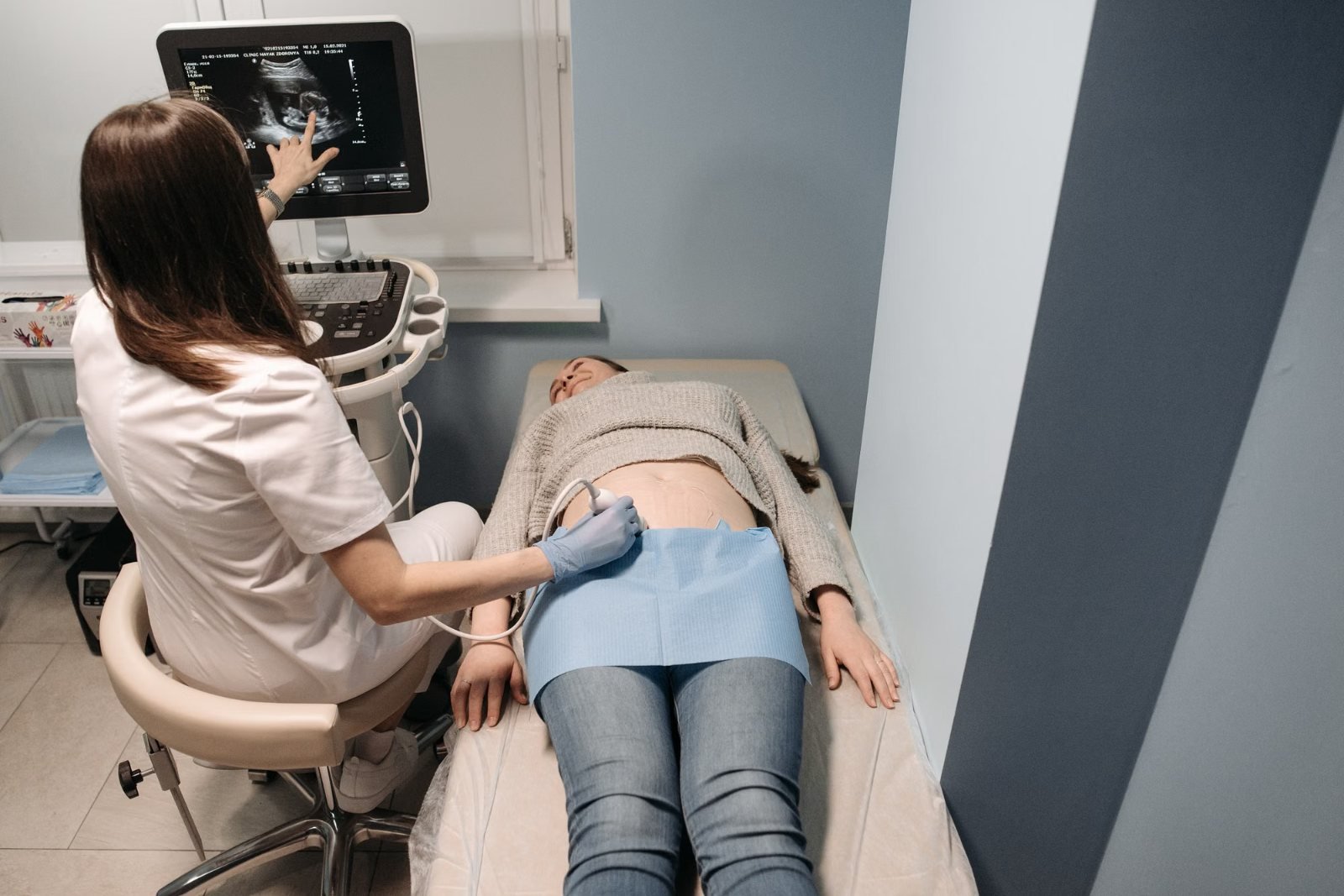
The NHS explains that an ultrasound scan uses sound waves to create images of the inside of the body. For the liver, a small probe is moved over the skin of your tummy. The NHS says the sound waves used are safe and that, unlike X-rays or CT scans, ultrasound does not use any radiation.
An ultrasound appointment usually takes around 10 to 45 minutes, according to the NHS, though it can take longer. The hospital or clinic should tell you if there is anything you need to do beforehand. Our guides to abdominal ultrasound and how to prepare for your scan explain more.
Why a liver ultrasound might be requested
NHS guidance mentions ultrasound in several liver and gallbladder situations:
- Abnormal liver blood tests. The NHS says non-alcoholic fatty liver disease is usually found after blood tests or scans done for another reason, and that a GP may arrange more blood tests and sometimes an ultrasound scan of the tummy.
- Alcohol and the liver. The NHS lists blood tests, scans such as an ultrasound or CT, and sometimes a liver biopsy among the tests for alcohol-related liver disease.
- Possible gallstones. The NHS says an ultrasound scan or a blood test may be used if your symptoms suggest gallstones.
- Symptoms such as pain. The NHS lists investigating symptoms like pain or lumps, and monitoring existing conditions, among the general uses of ultrasound.
If your result mentions fatty liver
Fatty liver is one of the most common findings. The NHS describes non-alcoholic fatty liver disease, also called metabolic dysfunction-associated steatotic liver disease (MASLD), as a condition where fat builds up in the liver. It says the condition is very common, is often linked to being overweight, and can usually be treated with healthy lifestyle changes.
The NHS describes four stages, from fatty liver (a build-up of fat with no damage), through inflammation (MASH) and scarring (fibrosis), to cirrhosis. It says most people only have the first stage, which does not usually cause any problems. Working out whether there is any inflammation or scarring is a job for your GP and, if needed, a specialist, who may arrange further blood tests. NICE has a guideline on identifying people with this condition who have advanced liver fibrosis and are most at risk of complications.
The things the NHS suggests you can do are practical: eat a healthy, balanced diet, aim for at least 150 minutes of exercise a week, lose weight if you are overweight, do not drink too much alcohol, and do not smoke. If alcohol is part of the picture, the NHS says that at the fatty liver stage of alcohol-related liver disease, the liver can usually recover if you stop drinking.
If the scan shows gallstones
The gallbladder is close to the liver in the upper tummy, so it can often be looked at during the same scan. The NHS says most people who have gallstones do not get symptoms. If you do, it is usually pain in the middle or upper right of your tummy, which can last from 30 minutes to several hours. Your GP will talk you through whether anything needs to be done.
What a liver ultrasound cannot tell you on its own
An ultrasound is one piece of the picture. The NHS describes blood tests, scans and sometimes a biopsy being used together to understand liver health. A normal ultrasound does not mean every liver condition has been ruled out, and a finding on the scan does not, on its own, tell you how serious it is. That is why the report should always be discussed with your GP or the clinician who referred you.
Next steps with your GP
If you had a private scan, the clinic will send the report to you or to your referrer. Take it to your GP, who can put it alongside your blood tests, your history and any symptoms. Questions you might ask:
- What does this result mean for me?
- Do I need any more blood tests or another scan?
- Is there anything I should change, and how will we check progress?
- Do I need to see a specialist?
Get help quickly if your symptoms change. The NHS says to call 999 or go to A&E if you are vomiting blood, have very dark or black stools, or become suddenly confused. If you have gallstones, it also says to call 999 or go to A&E for sudden, severe tummy pain, a very high temperature or feeling hot, cold or shivery, or yellowing of your skin or the whites of your eyes. Ask for an urgent GP appointment or call 111 if you have tummy pain that lasts longer than 30 minutes, your tummy swells, or your skin or eyes turn yellow.
Having a liver ultrasound privately
Ultrasound does not use ionising radiation, so IR(ME)R does not apply. Many private clinics accept self-referral, usually after their own screening, but each clinic sets its own policy. Every scan is reported by an appropriately qualified clinician, and the clinic will tell you how long its report takes.
Prices vary by clinic and by what is included, and FindScan shows each clinic's own listed price without mark-up. See the private ultrasound scan page and our guide to private ultrasound costs, or compare ultrasound clinics near you and send an enquiry.
Common questions
Can an ultrasound show fatty liver?
Yes, an ultrasound of the tummy is one of the tests the NHS says a GP may arrange when fatty liver disease is suspected, usually alongside blood tests. Fatty liver is often found on tests done for another reason.
Is fatty liver serious?
The NHS says most people only have the first stage, a build-up of fat without damage, which does not usually cause problems. It can progress in some people, so it is worth discussing with your GP and making the lifestyle changes they recommend.
Can fatty liver get better?
The NHS says non-alcoholic fatty liver disease can usually be treated with healthy lifestyle changes, and that at the fatty liver stage of alcohol-related liver disease the liver can usually recover if you stop drinking.
Do I need to prepare for a liver ultrasound?
The clinic or hospital should tell you if there is anything you need to do beforehand. Follow their instructions, as preparation can differ depending on what is being looked at.
Does a liver ultrasound use radiation?
No. The NHS says ultrasound uses sound waves, which are safe, and does not use any radiation, unlike X-rays or CT scans.
References
- Ultrasound scan. NHS. Accessed 6 October 2026.
- Non-alcoholic fatty liver disease (NAFLD). NHS. Accessed 6 October 2026.
- Alcohol-related liver disease. NHS. Accessed 6 October 2026.
- Gallstones. NHS. Accessed 6 October 2026.
- Cirrhosis. NHS. Accessed 6 October 2026.
- Non-alcoholic fatty liver disease (NAFLD): assessment and management (NG49). NICE. Accessed 6 October 2026.
This article is general information, not medical advice, and it does not replace an assessment by a clinician. If you have symptoms that worry you, speak to your GP or call 111. In an emergency, call 999.