What Are the Most Common Reasons for a CT Scan?
CT is one of the most widely used scans in medicine. Here are the situations where it comes up most often, how referral works, and how to think about the radiation dose.
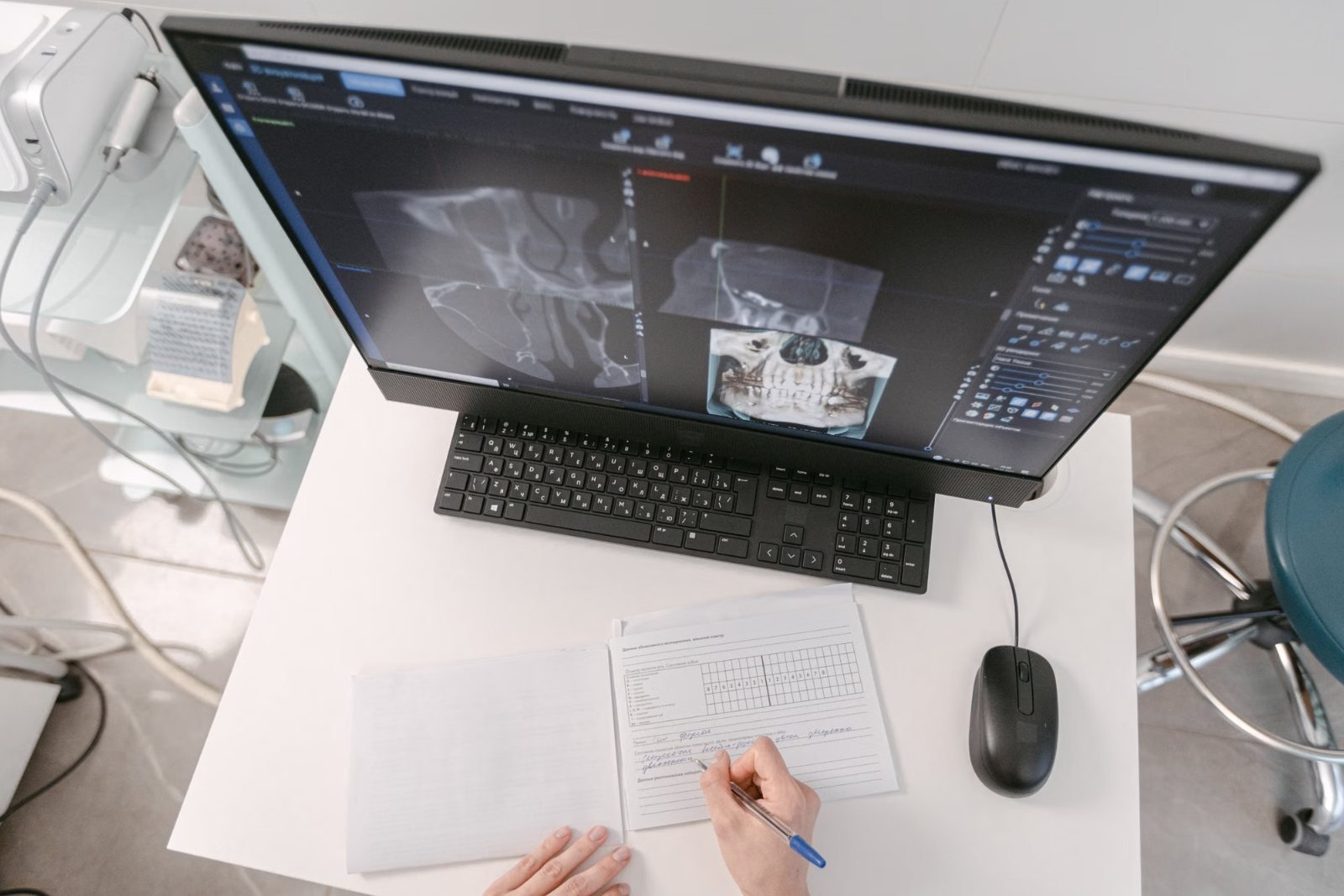
A CT (computerised tomography) scan uses X-rays and a computer to build detailed cross-sectional pictures of the inside of the body. The NHS says the scan usually takes 10 to 20 minutes, and you lie on a flat bed while a ring-shaped scanner moves around you.
There is no single official ranking of why CT scans are done, so we will not pretend there is one. What NHS, NICE and Cancer Research UK guidance does show is a handful of situations where CT is used again and again: injuries, sudden abdominal pain, cancer, suspected stroke and chest problems. This guide walks through each one, then covers referral, radiation and when not to wait for a private appointment.
1. Checking for injuries after an accident
Among the reasons the NHS gives for having a CT scan is to check your bones or internal organs after an accident. Because a single scan can look at bones and organs together, CT is a routine part of hospital trauma care.
This kind of scanning happens in hospital, as part of emergency care. If someone has had a serious injury, such as a fall from a height, a road accident or a head injury followed by drowsiness, a fit or loss of consciousness, call 999 or go to A&E. Do not wait for a private scan.
2. Sudden or severe abdominal pain
CT is widely used to look for the cause of abdominal (tummy) pain. Appendicitis is a familiar example: the NHS says that tests can include scans such as an ultrasound scan or CT scan to check for swelling in your appendix.
The NHS advises calling 999 or going to A&E if you have severe pain in your abdomen, and getting help from NHS 111 if the pain is gradually getting worse, does not go away, or moves to the lower right side of your abdomen. Sudden, severe tummy pain is a reason to seek urgent care, not to arrange a scan yourself.
3. Diagnosing, staging and monitoring cancer
The NHS lists finding out whether symptoms are caused by a condition such as cancer among the main uses of CT, along with checking how well treatment is working, for example by looking at the size of a tumour, and helping doctors during procedures such as biopsies.
Cancer Research UK explains that CT is used to help work out where a cancer is, how close it is to nearby organs and how big it is. This is part of what doctors call staging. CT is also used to check how well treatment is working and as part of follow-up after treatment.
4. Suspected stroke
Brain imaging is central to stroke care, because doctors need to know whether a stroke is caused by a blockage or by bleeding before choosing treatment. NICE recommends brain imaging immediately with a non-enhanced CT for people with suspected acute stroke in certain situations, for example if clot-busting or clot-removal treatment might be suitable, or if the person takes anticoagulants. For everyone else with suspected acute stroke, NICE recommends scanning as soon as possible and within 24 hours of symptoms starting.
If you think someone is having a stroke, use the NHS FAST test (face, arms, speech, time) and call 999 straight away. The NHS also advises calling 999 if you have had signs of a stroke within the last 24 hours, even if they have now stopped.
5. Chest problems
A chest X-ray is often the first test for chest symptoms, but CT shows the lungs in cross-section rather than as one flat picture, so specialists often move on to CT when there is a specific concern about the lungs. Our guide to chest CT scans explains what the scan can show.
Chest pain can be an emergency. The NHS says to call 999 if you get sudden chest pain that does not go away, pain that spreads to your arm, neck, jaw, stomach or back, or chest pain with sweating, feeling sick, light-headedness or shortness of breath.
How referral works for a CT scan
CT uses ionising radiation, so in the UK every scan falls under the Ionising Radiation (Medical Exposure) Regulations 2017, known as IR(ME)R. Each exposure must be requested by a referrer and justified, meaning someone qualified has decided the expected benefit outweighs the risk.
That applies to private scans too. Private clinics often arrange this through their own doctor or a clinical review of your request, but you should not expect a CT scan without that step. If you are unsure whether a scan is right for you, a GP appointment is a good place to start.
How much radiation a CT scan involves
The UK Health Security Agency gives typical effective doses for common CT scans and compares them with natural background radiation, which averages 2.1 mSv a year in the UK on its figures:
- CT head: about 2 mSv, roughly 1 year of natural background radiation.
- CT chest: about 8 mSv, roughly 3.6 years.
- CT abdomen or pelvis: about 10 mSv, roughly 4.5 years.
The NHS says that if you have lots of CT scans there is a very small chance the radiation from the X-rays can cause cancer. That is why each scan has to be justified. Our guides to radiation safety and MRI vs CT explain when a scan without radiation may be an option.
Comparing private CT clinics
Prices vary by clinic, body part, whether contrast is needed and region. Clinics listed on FindScan publish their own prices and we show them as the clinic sets them. You can read more on our private CT scan page, see CT clinics near you, and send an enquiry to the clinic you choose.
Common questions
What is the most common reason for a CT scan?
There is no single official answer, because the reasons are spread across emergency care, cancer care and outpatient investigations. The situations where CT is used most often include injuries after an accident, sudden abdominal pain, diagnosing and staging cancer, suspected stroke and chest problems.
How long does a CT scan take?
The NHS says the scan usually takes 10 to 20 minutes. Cancer Research UK notes that the whole appointment can take about an hour and a half, depending on which part of the body is scanned and whether you need to drink contrast first.
Will I need a contrast dye?
Sometimes. The NHS says contrast can be given as a drink, an injection or into the bottom, depending on the area being scanned. An injection can make you feel hot and flushed or leave a metallic taste for a short time. Tell staff about allergies, kidney problems or diabetes.
Can I have a private CT scan without a referral?
No. CT uses ionising radiation, so under IR(ME)R every scan must be requested by a referrer and justified. Many private clinics arrange this through their own doctor or a clinical review.
When will I get my CT results?
Your images are reported by an appropriately qualified clinician. The clinic will tell you how long its report takes. Our guide to scan results explains what usually happens next.
References
- CT scan. NHS. Accessed 6 October 2026.
- CT scan. Cancer Research UK. Accessed 6 October 2026.
- Appendicitis. NHS. Accessed 6 October 2026.
- Stroke and transient ischaemic attack in over 16s (NG128), recommendations. NICE. Accessed 6 October 2026.
- Symptoms of a stroke. NHS. Accessed 6 October 2026.
- Chest pain. NHS. Accessed 6 October 2026.
- Patient dose information: guidance. UK Health Security Agency. Accessed 6 October 2026.
- The Ionising Radiation (Medical Exposure) Regulations 2017, SI 2017/1322. legislation.gov.uk. Accessed 6 October 2026.
This article is general information, not medical advice, and it does not replace an assessment by a clinician. If you have symptoms that worry you, speak to your GP or call 111. In an emergency, call 999.