Reasonable Adjustments for a Scan: What to Ask For if You Have a Disability, Autism or a Learning Disability
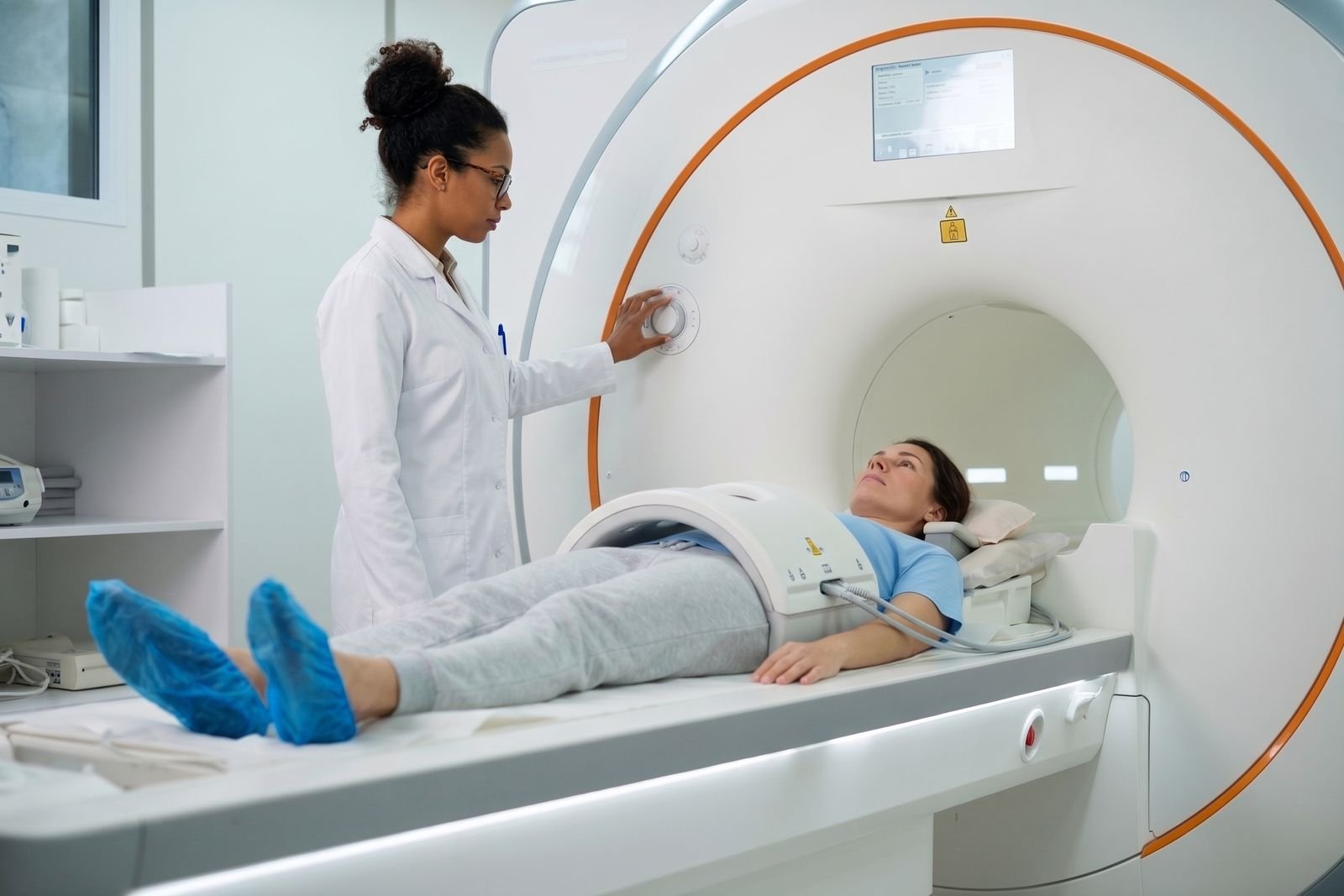
Scan departments can be noisy, bright and rushed, and an MRI means lying still in a tunnel. If you are disabled, autistic, have a learning disability or have hearing or sight loss, small changes can make the difference between a scan that works and one that does not. This guide explains what reasonable adjustments are, what the law says, and exactly what to ask for.
Written by the FindScan Editorial Team
How we write and review our guides
A reasonable adjustment is a change to how a service works so that a disabled person is not put at a disadvantage. For a scan that might be the first appointment of the day, a quiet place to wait, extra time, a supporter in the room or a letter in easy read.
UK Disability History Month runs every year from mid-November to mid-December, and this is a good time to know your rights, because one part of the system has just changed. NHS England says every publicly funded health and social care service had to be able to share, read and write the Reasonable Adjustment Digital Flag by 30 September 2026. We explain what that means below.
Adjustments are not only for people with a diagnosis. NHS England describes disability as a physical or mental impairment that has a substantial and long-term adverse effect on day-to-day activities. If something about a scan appointment would be hard for you, it is worth asking.
What the law says
Section 20 of the Equality Act 2010 sets out the duty to make adjustments. It has three parts: where a way of doing things puts a disabled person at a substantial disadvantage compared with people who are not disabled, take reasonable steps to avoid it; do the same for a physical feature of a building; and provide an auxiliary aid where one is needed. Where the adjustment is about information, the Act says reasonable steps include providing it in an accessible format.
Legislation.gov.uk shows the section applies in England, Wales and Scotland. Northern Ireland has its own disability law, so if you live there, ask your trust how it handles adjustments.
GOV.UK guidance describes the duty as anticipatory: services should think ahead about what disabled people will need. It also says organisations providing NHS or adult social care must follow the Accessible Information Standard by law, which covers how you receive information and communication support.
Adjustments you can ask for
NHS England gives examples of reasonable adjustments, including wheelchair access, appointment letters in plain English or easy read, a priority appointment if waiting is difficult, a longer appointment, a quiet space to wait, a hearing loop, and a British Sign Language interpreter or a video link with BSL interpretation.
Hospitals list similar things. Wrightington, Wigan and Leigh Teaching Hospitals NHS Foundation Trust mentions the first or last appointment of the day, a quiet waiting area, longer appointments and using your hospital passport. Guy's and St Thomas' NHS Foundation Trust adds having a carer, family member or advocate with you, and says you do not need to know the exact adjustment before you ask.
Mencap's Treat me well campaign has a top 10 for hospitals that works well as a checklist for a scan, including: take your time, work with supporters, be flexible with appointment times, provide a quiet place to wait, use hospital passports, provide easy read information, and always ask the person what they need. It says just ten extra minutes can make a big difference.
Adjustments that help with scans in particular
MRI is the scan people most often need help with, because it is loud and you lie still for some time. An NHS easy read guide to having an MRI scan, written with a hospital radiography department, puts it simply: it is very noisy but does not hurt, and you are given earplugs. University Hospitals Plymouth NHS Trust's easy read MRI leaflet says a friend, family member or support worker can go into the room with you, that headphones and an eye mask are offered, that you can ask for numbing cream if a needle worries you, and to bring your patient passport. Anyone who goes into the MRI room has the same metal safety checks as you, which our guide to MRI safety and metal implants explains.
A visit or practice run can help. A 2016 article from Manchester's children's hospital imaging department described autistic children practising the MRI scan with a play specialist beforehand, and said assessing needs in advance reduced unnecessary general anaesthesia; sedation or an anaesthetic remains a medical decision for the team. Ask whether the department has photos, a pre-visit or an easy read leaflet. York Teaching Hospital NHS Foundation Trust, for example, has easy read MRI leaflets and offers Braille, large print and audio on request.
For autistic people, an Oxford Health NHS Foundation Trust checklist for staff suggests a quieter, larger room, the option to wait in the car and be texted when it is your turn, and less background noise and bright lighting.
If you use a wheelchair or have limited movement, ask whether the scan room, changing area and scan table are accessible and how you will be helped to transfer. If you have hearing loss, agree how the radiographer will talk to you, particularly for MRI, where hearing aids usually have to come out. If weight or body size is a worry, our guide to MRI weight limits explains what to check.
How to ask: passports, liaison nurses and the digital flag
The simplest step is to phone the imaging department before the day, say what you need, and ask them to note it on your appointment. Some trusts have a form for this: East Sussex Healthcare NHS Trust asks people with a learning disability to send a reasonable adjustments form to its acute learning disability liaison nurse in advance.
A hospital passport helps too. The NHS says it is a document about your health needs that also lists any reasonable adjustments you might need. The NHS also says you can ask your GP, social worker or the hospital's Patient Advice and Liaison Service whether the hospital has a learning disability nurse, who should meet you and your carer, and that you might be able to choose a different hospital if it does not have one.
The Reasonable Adjustment Digital Flag is a national marker on your record that shows the adjustments you need, so different services can see them. NHS England says services had to be able to share, read and write flags by 30 September 2026, and that you can object to your flag being shared at any time. If you want one, ask your GP practice or the hospital team whether a flag is recorded for you and what it says.
The NHS says a carer or friend can come with you to help you ask questions and understand what is happening.
Adjustments at an independent clinic
The same questions apply at an independent clinic. Ring before your appointment, describe what you need, and ask about the quietest times of day, how long the slot is, whether someone can come into the room, whether the scan table is accessible, and whether it has an open or wide-bore MRI scanner, which our guide to open and closed MRI explains.
MRI, ultrasound and echocardiograms can often be arranged without a referral. CT, X-ray, DEXA and mammography use radiation and need a referral from a doctor or another qualified clinician.
If your health changes suddenly while you are waiting for a scan, do not wait for the appointment: use NHS 111, or call 999 in an emergency.
Common questions
What is a reasonable adjustment for a scan?
It is a change to how the appointment works so a disabled person is not put at a disadvantage, such as the first appointment of the day, a quiet place to wait, a longer slot, a supporter with you, easy read information or a BSL interpreter. Section 20 of the Equality Act 2010 sets out the duty in England, Wales and Scotland.
Can someone come into the MRI room with me?
Often, yes. University Hospitals Plymouth NHS Trust's easy read leaflet says a friend, family member or support worker can go into the room with you. They will need the same metal safety checks as you, so ask the department in advance.
What is a hospital passport?
The NHS says it is a document about your health needs that also lists any reasonable adjustments you might need. Bring it to your scan and ask staff to read it before you start.
What is the Reasonable Adjustment Digital Flag?
NHS England describes it as a national marker on your record showing the adjustments you need, which services can see and share. Services had to be able to use it by 30 September 2026, and you can object to it being shared.
References
- Equality Act 2010, section 20: duty to make adjustments. legislation.gov.uk. Accessed 25 November 2026.
- Reasonable adjustments: a legal duty. GOV.UK (Public Health England). Accessed 25 November 2026.
- Reasonable adjustments. NHS England. Accessed 25 November 2026.
- What is the Reasonable Adjustment Digital Flag?. NHS England. Accessed 25 November 2026.
- Accessible Information Standard. NHS England. Accessed 25 November 2026.
- Learning disabilities: support if you are going into hospital. NHS. Accessed 25 November 2026.
- Treat me well: reasonable adjustments for people with a learning disability in hospital. Mencap. Accessed 25 November 2026.
- Reasonable adjustments. Wrightington, Wigan and Leigh Teaching Hospitals NHS Foundation Trust. Accessed 25 November 2026.
- Reasonable adjustments. Guy's and St Thomas' NHS Foundation Trust. Accessed 25 November 2026.
- Your MRI scan (easy read). University Hospitals Plymouth NHS Trust. Accessed 25 November 2026.
- Having an MRI scan (easy read). NHS 111 Wales. Accessed 25 November 2026.
- Coming to the hospital for an MRI scan (easy read). York Teaching Hospital NHS Foundation Trust. Accessed 25 November 2026.
- Learning disability liaison service: reasonable adjustments. East Sussex Healthcare NHS Trust. Accessed 25 November 2026.
- Reasonable adjustments and autism: appointment at an Oxford Health venue. Oxford Health NHS Foundation Trust. Accessed 25 November 2026.
- Reasonable adjustments, the law and the imaging department (2016). Manchester University NHS Foundation Trust. Accessed 25 November 2026.
- Disability History Month 2026. UCL. Accessed 25 November 2026.
FindScan is a directory of independent, regulated imaging clinics. We are not a healthcare provider. This guide is general information and is not legal or medical advice.