How private scanning works
Costs, referrals, insurance and waiting times, and how private scanning compares with the NHS.
 Guide
NHS Breast Screening: Who Is Invited, What Happens and How AI Is Being Tested
Who the NHS invites for breast screening, what happens at the mammogram, results and recalls, benefits and risks, and what the EDITH AI trial means.
 Guide
Reasonable Adjustments for a Scan: What to Ask For
What reasonable adjustments are, the law behind them, and what to ask for at an MRI, CT or ultrasound: quiet waits, longer slots, a supporter, easy read, BSL.
 Guide
MRI, CT and Ultrasound Waits in England: September 2026 Figures
NHS England diagnostic waits for September 2026: 1.87 million waiting, 22.6% over six weeks. MRI, CT, ultrasound and DEXA figures, and your options.
 Heart scans
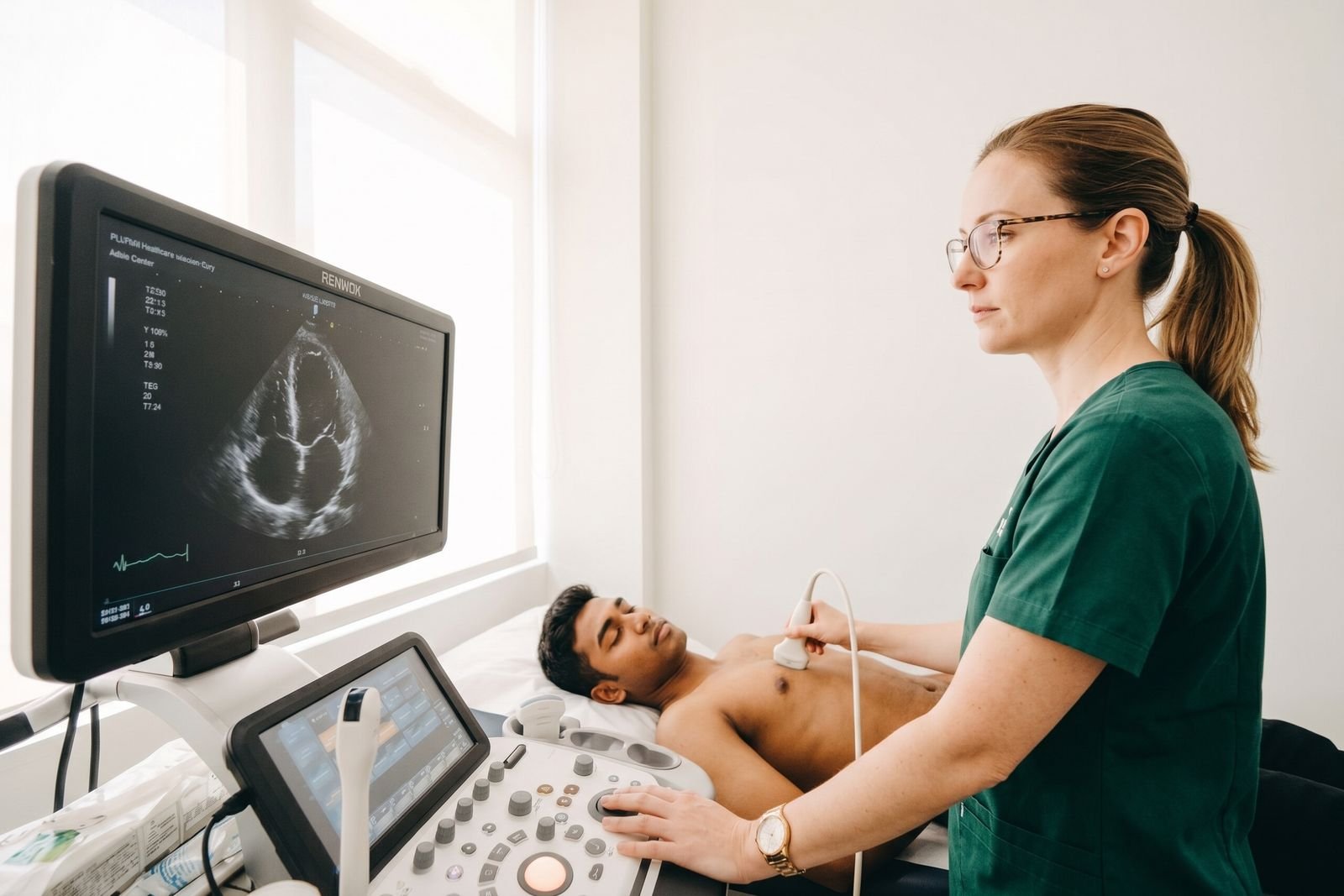
Which Heart Scan Do You Need? Echo, MRI and CT Explained
Echocardiogram, cardiac MRI, CT coronary angiogram or calcium score: what each heart scan shows, which need a referral, and when chest pain means 999.
 Before your scan
Scanxiety: Coping With Anxiety Before a Scan and While You Wait for Results
What scanxiety is, what NHS and Macmillan advice says helps before a scan and during the wait for results, and when the worry needs help of its own.
 Private scans
Had a Private Scan? How to Get the Result Acted On by Your GP or the NHS
What to ask the clinic for after a private scan, how to take the report to your GP, how a consultant refers you into the NHS, and when scans get repeated.
 Private scans
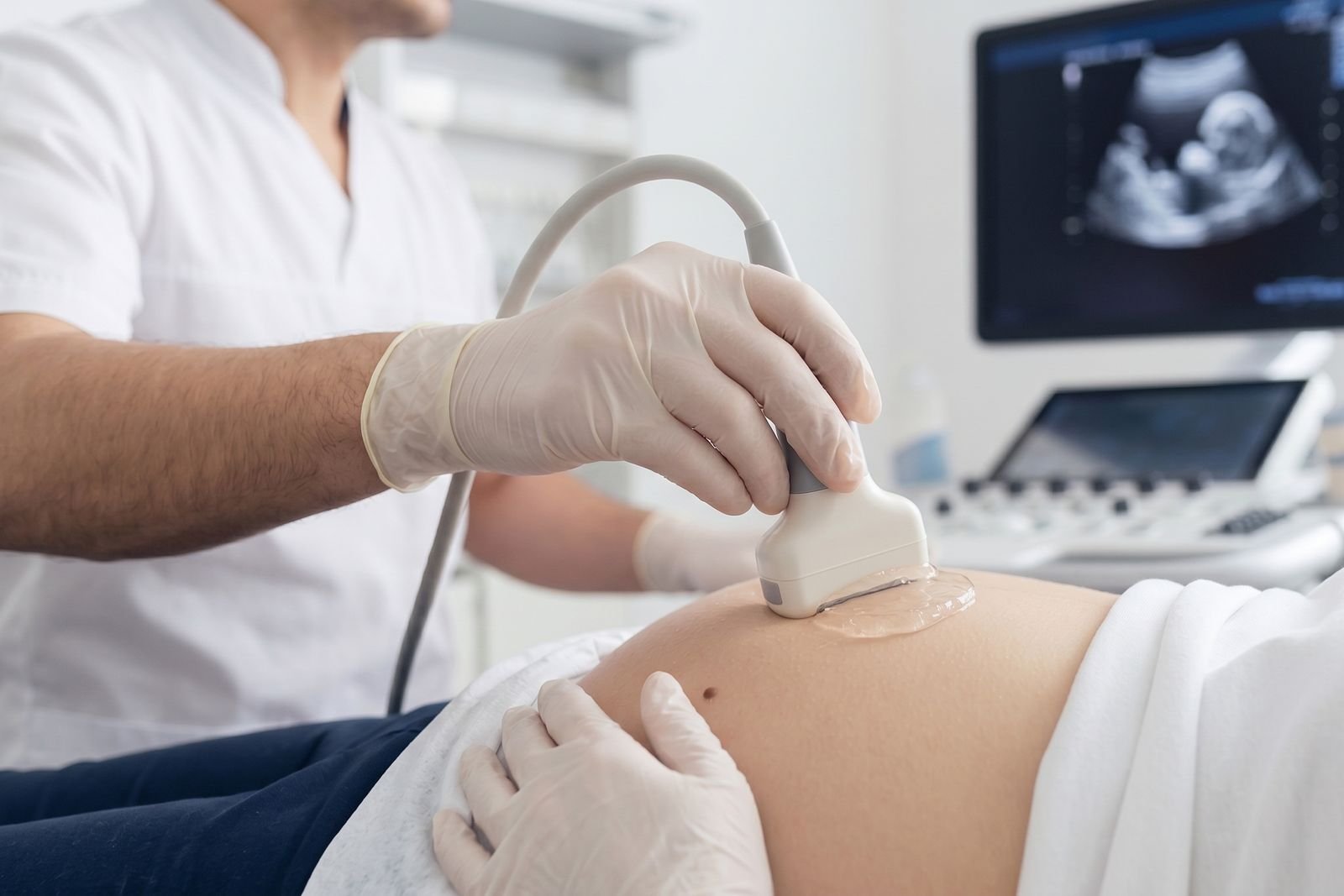
Can You Have an MRI, X-ray, CT or Ultrasound When Pregnant or Breastfeeding?
What NHS departments do if you are or might be pregnant, why ultrasound and MRI are used throughout, and whether breastfeeding must stop after contrast.
 Private scans
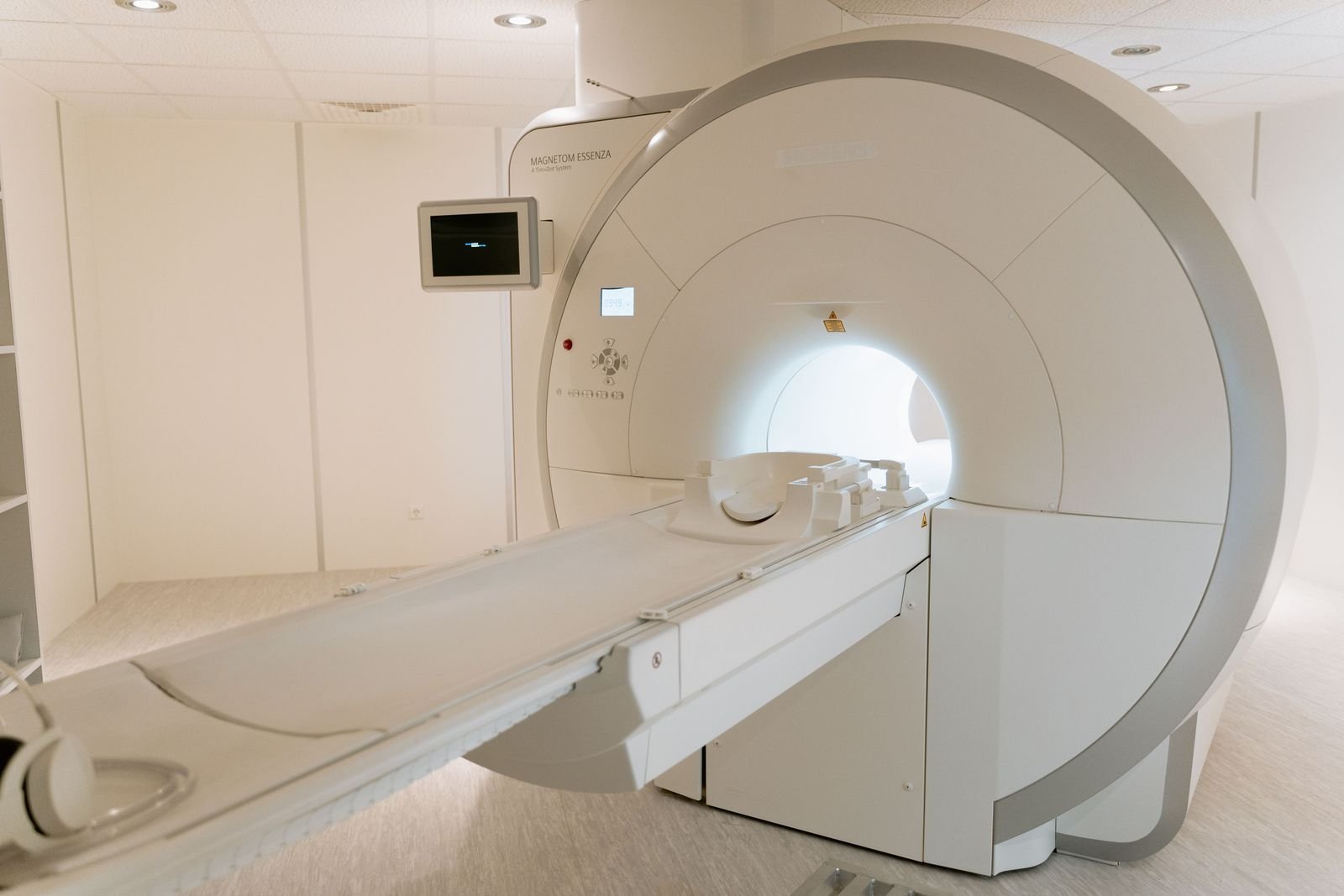
Waiting for a Scan in Northern Ireland: The 9-Week Target Explained, and Your Options
What Northern Ireland's latest diagnostic figures show for MRI, CT and ultrasound, what the 9-week target means, and what the November strikes could change.
 Private scans
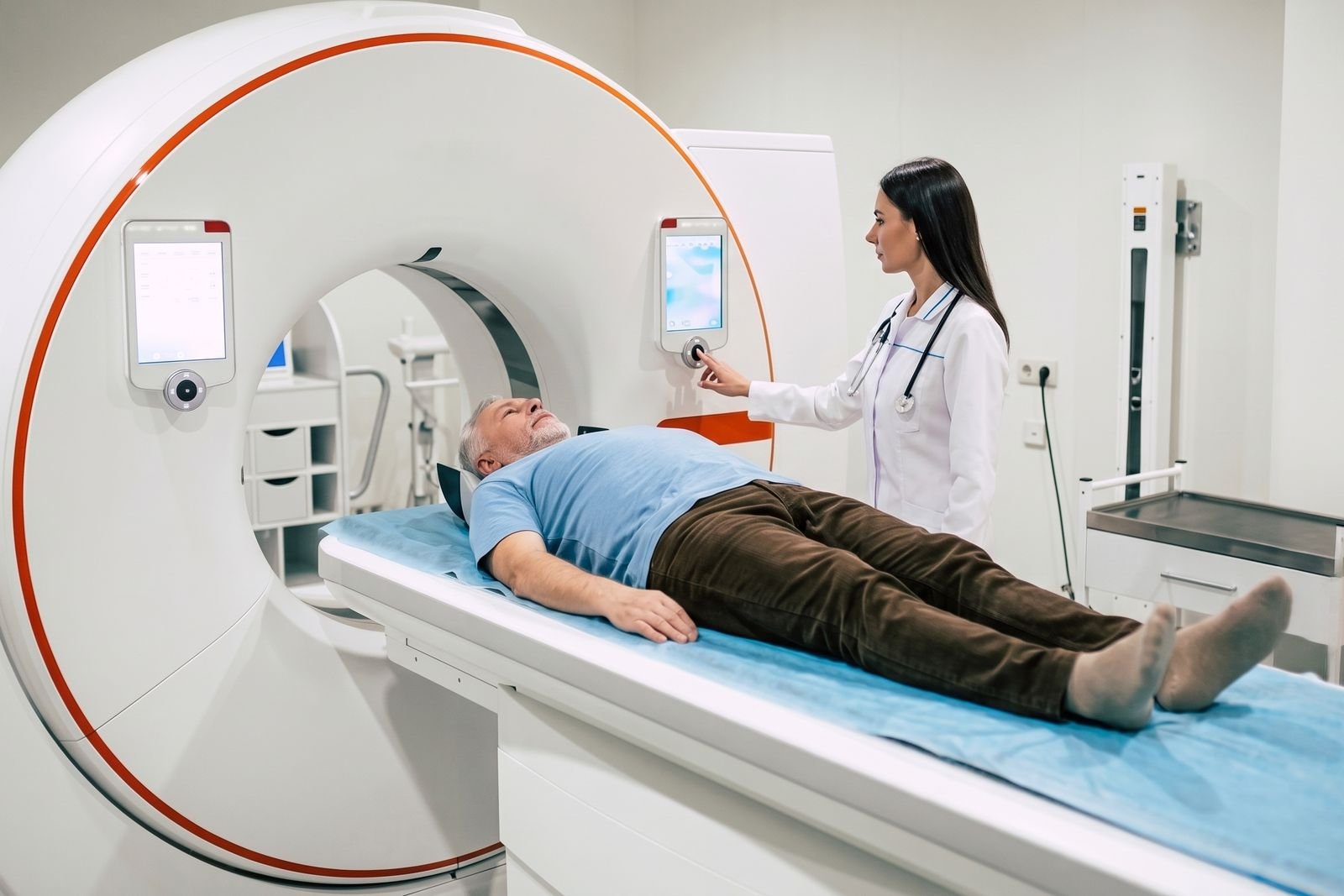
Having a Scan When You Have Diabetes: Contrast Dye, Metformin, Insulin Pumps and Fasting
Contrast dye and metformin, fasting without a hypo, insulin pumps and glucose sensors near an MRI scanner, and what to tell the department before the day.
 Guide
Can a Physiotherapist Refer You for a Scan?
Physiotherapists can refer for scans more often than people realise. How NHS physios request imaging, what private clinics accept, and why X-ray differs.
 Guide
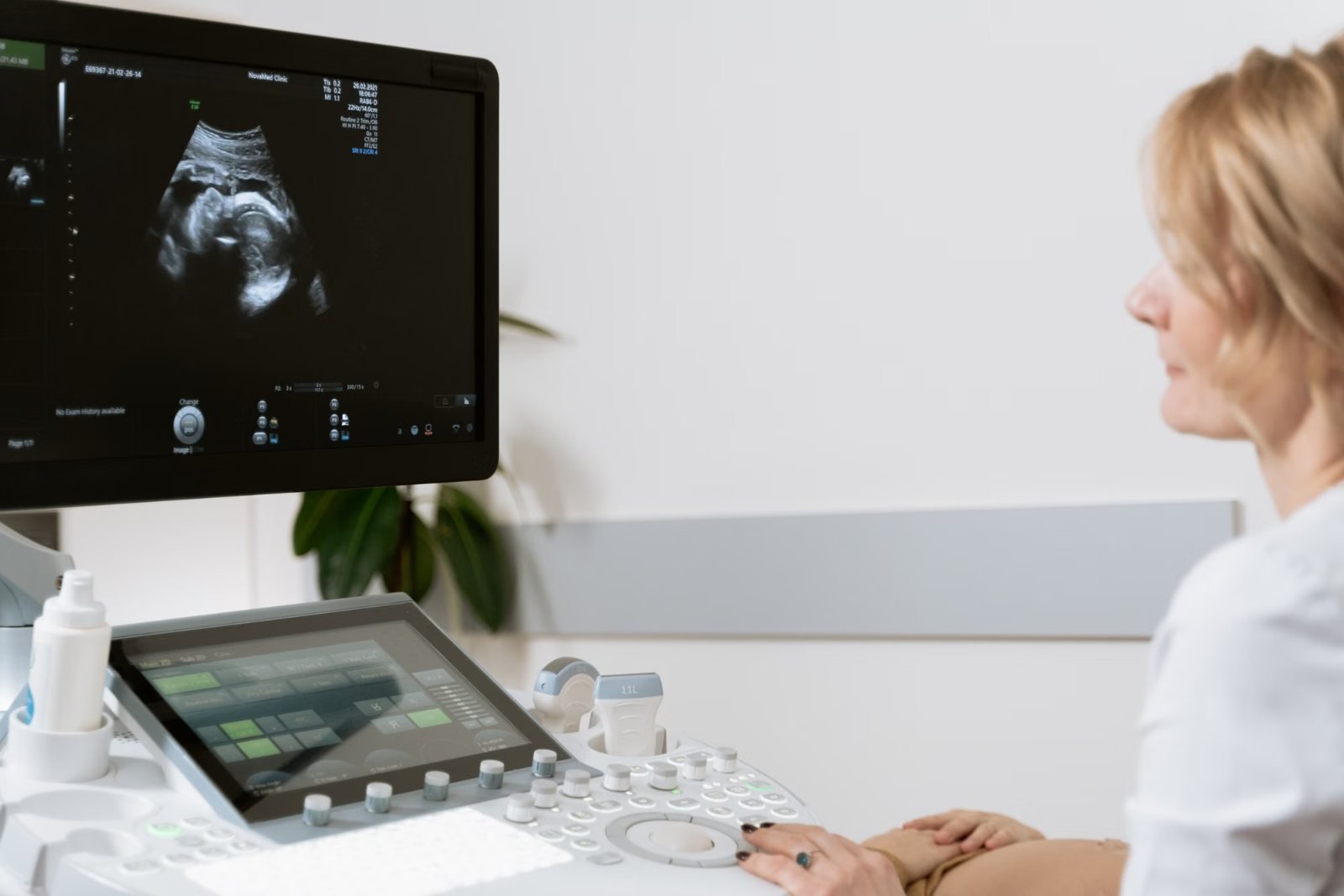
Can You Eat Before a CT Scan or an MRI? Food and Drink Before a Scan
Can you eat before a CT scan or an MRI? What NHS hospitals ask about food, drink, water and medicines before CT, MRI, ultrasound, X-ray and DEXA scans.
 Guide
How Long Does an Echocardiogram Take?
How long does an echocardiogram take? Timings for a standard echo, TOE and stress echo, what happens, echo vs ECG, self-referral and private echo costs.
 Guide
How to Get Your Scan Images and Report
How to get copies of your scan report and images, why private results may not show in the NHS App, your right of access, and how to share results with your GP.
 Guide
NHS Right to Choose: Can You Pick Where You Have a Scan?
In England you can usually choose where your GP refers you, including some independent providers. What the right covers, where scans fit, and your options.
 Guide
NHS Scan Appointment Postponed? What You Can Do
What happens to an NHS scan during strikes or winter pressures, why you should attend unless contacted, your waiting time rights, and private options.
 Guide
Scan Waiting Times in Scotland: The 6-Week Standard
NHS Scotland measures scan waits against a 6-week standard. The latest Public Health Scotland figures, your options, and how clinics are regulated.
 Guide
Scan Waiting Times in Wales: The 8-Week Target Explained
NHS Wales measures scan waits against an 8-week target. What the latest figures show, how to check your place, and how clinics in Wales are regulated.
 Guide
Radiographer vs Radiologist: Who Does What
Radiographers carry out your scan; radiologists are doctors who interpret images. How each is trained and regulated in the UK, and who you will meet.
 Guide
Cold or Flu on Scan Day: Should You Still Go?
What the NHS says about staying home with flu, why a cough makes an MRI harder, what to tell the clinic about contrast, and which scans not to put off.
 Guide
Urgent Suspected Cancer Referral: What Happens Next
An urgent suspected cancer referral is a fast NHS pathway, not a diagnosis. What the 28-day standard means, which scans may follow, and private scans.
 Guide
Will AI Read My Scan? AI in UK Radiology Explained
AI helps some NHS teams read chest X-rays and spot fractures. What the tools do, what NICE has said, why a clinician still reports your scan.
 Guide
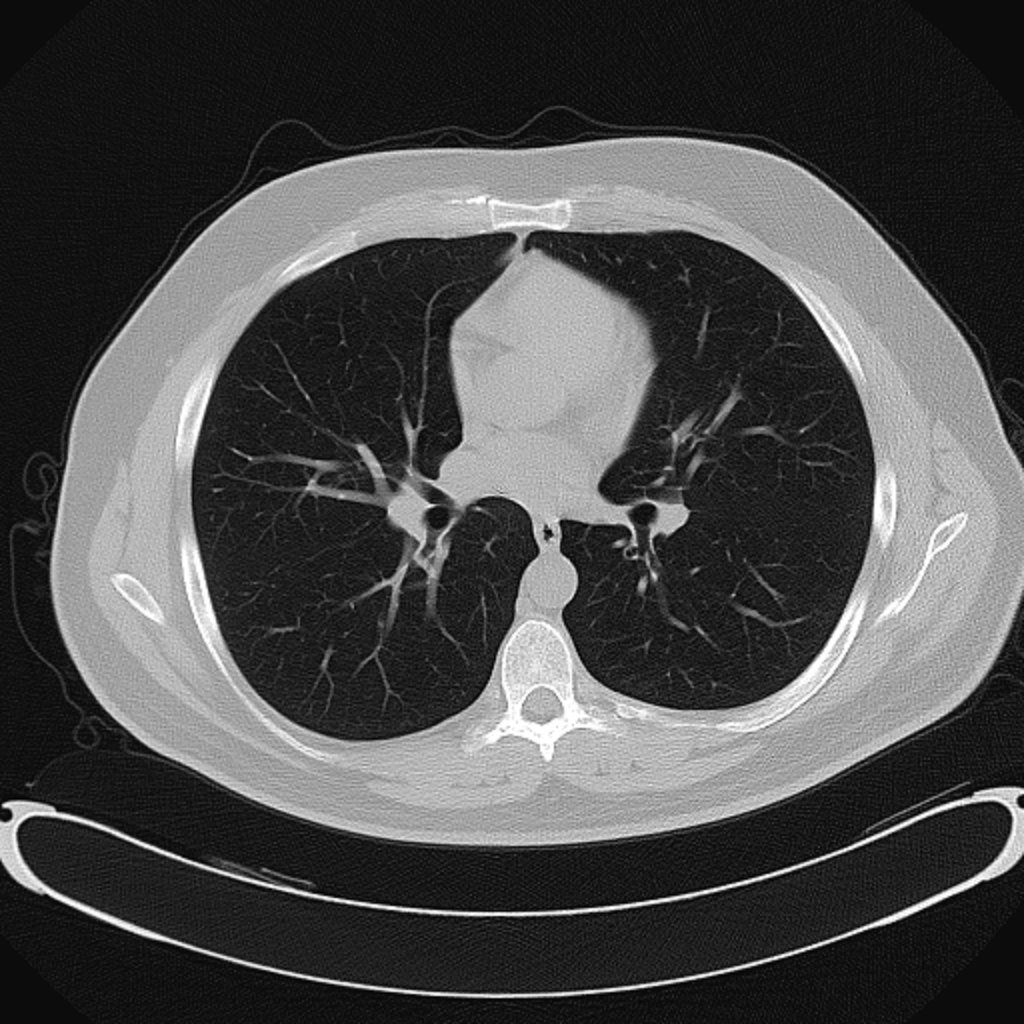
What do scans look like? Real examples of each type of scan
Real MRI, CT, X-ray, ultrasound, DEXA, mammogram and echocardiogram images, with a plain-English note on what each one is good at showing.
 Mammogram
Breast MRI scan vs mammogram: what each test does and who needs which
Breast MRI vs mammogram: how each test works, who breast MRI is for (high risk, dense breasts, implants, staging) and why mammograms are used to screen.
 Guide
Community diagnostic centres: what they are and how to use them
What is an NHS community diagnostic centre? Which scans CDCs offer, how referral works, opening hours and how CDCs compare with private scans.
 Echocardiogram
 versus ECG: what is the difference?
Echocardiogram versus ECG explained: one records your heart's electrical activity, the other uses ultrasound to show its structure and pumping.
 Echocardiogram
Private echocardiogram cost in the UK: what affects the price?
What affects echocardiogram cost in the UK: type of echo, who reports it, consultant review, extras and location, plus the NHS route and what to ask.
 Mammogram
How much does a private mammogram cost in the UK? What affects the price
What affects the cost of a private mammogram in the UK: 2D or 3D, ultrasound, consultant review and reporting, plus NHS screening and referral rules.
 Echocardiogram
Types of echocardiogram: transthoracic, TOE, bubble and stress echo
Transthoracic, transoesophageal, bubble and stress echocardiograms explained: what happens, why each is used, how to prepare and which need a hospital.
 Echocardiogram
What will an echocardiogram show?
What an echocardiogram can show: heart chambers, valves, murmurs and pumping (ejection fraction), plus what it cannot show well, explained simply.
 Guide
X-ray vs CT vs MRI: what is the difference?
What is the difference between a CT scan and an X-ray, and how does MRI compare? How each works, what each is best at, radiation doses and scan times.
 Guide
MRI vs CT Scan: Which One Do You Need?
What MRI and CT each show well, how long they take, radiation and safety differences, and how a clinician decides between them. Plain-English UK guide.
 Guide
How Long Do Scan Results Take?
What happens to your images after a scan, why a report takes the time it does, what the NHS says to expect, and the questions to ask a private clinic about timing.
 Spine
Lower Back Pain and Sciatica: MRI, CT or X-ray?
For most back pain, NICE advises against routine imaging - and a scan can be actively unhelpful. When a scan does help, and which of the three answers your question.
 Full body
What a Full Body Health Scan Can and Cannot Tell You
The Royal College of Radiologists does not recommend body scanning without symptoms or a doctor referral. What these scans find, what they miss, and the overdiagnosis problem.
 Guide
How to Prepare for Your Scan: Fasting, Bladder and What to Bring
A plain checklist of what to eat, drink, wear and bring for each type of scan, and the one rule that overrides all of it.
 Guide
Not Sure Which Scan You Need? See a GP First
Booking the wrong scan is an expensive way to learn nothing. Here is when a GP conversation first is worth the delay.
 Guide
Private Scans for Children: What's Possible and What Isn't
Age limits, referral rules and consent all work differently for children - and sedation is usually a hospital job, not a high-street one.
 Guide
Self-Pay or Use Your Insurance? How to Decide on a Private Scan
The deciding number is usually your excess, not your premium - here's how to work out whether to claim for a scan or just pay for it.
What these guides cover
The guides in this section deal with the questions that apply whatever type of scan you are considering: how to prepare, whether you need a GP appointment first, how self-pay compares with using health insurance, what the rules are for children, how long results take, and how to decide between one type of scan and another. They are written to be read alongside the modality-specific guides for MRI, CT, ultrasound, X-ray and DEXA.
How private scanning works in the UK
Any scan that uses ionising radiation, which means X-ray, CT and DEXA, has to be justified by a registered referrer under the Ionising Radiation (Medical Exposure) Regulations 2017, so private clinics ask for a referral or provide one through their own clinician. MRI and ultrasound do not use radiation and clinics have more flexibility, although most still take a clinical history and many prefer a referral. Diagnostic imaging providers in England are registered with and inspected by the Care Quality Commission; Scotland, Wales and Northern Ireland have their own regulators. Images are reported by an appropriately qualified clinician and the report goes to whoever referred you. Our guides on whether you need a GP appointment first, preparing for your scan and how long results take cover the practical side.
Using FindScan to compare clinics
Clinics listed on FindScan publish the price they charge for each scan and we show it as the clinic sets it, with no mark-up. You can search by location and scan type, open a clinic to see its listed prices and details, and send an enquiry once you have chosen. If you are deciding between scan types, MRI vs CT, ultrasound vs MRI and which scan for back pain and sciatica are good places to start, and self-pay vs insurance explains how paying works.