CT scans explained
What a CT scan shows, the radiation involved, why a referral is required and how it compares with MRI.
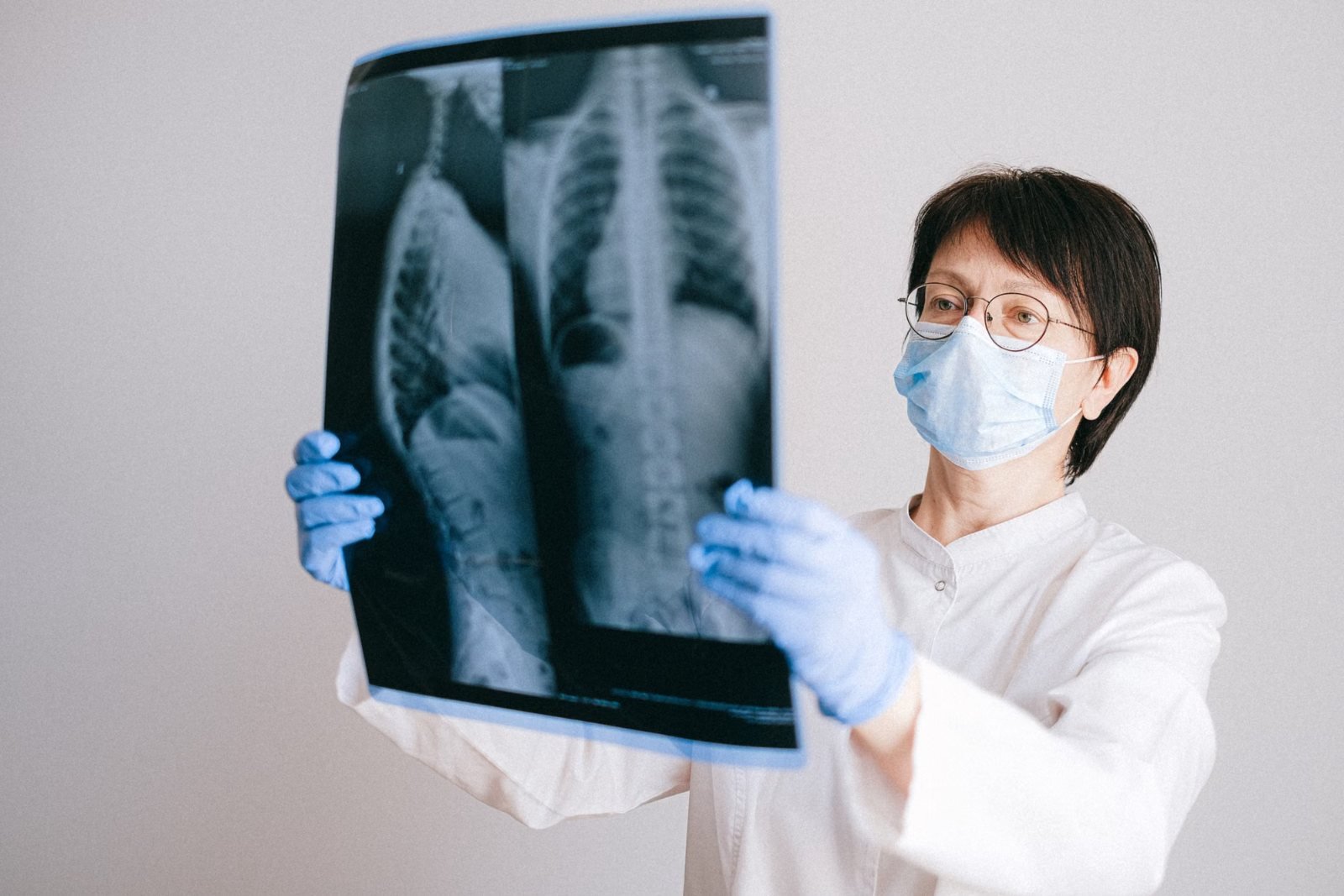 CT
Can a CT Scan Detect Lung Cancer?
How a CT scan for lung cancer is used: CT after a chest X-ray, why a biopsy is needed, NHS lung screening, what happens with nodules and the radiation dose.
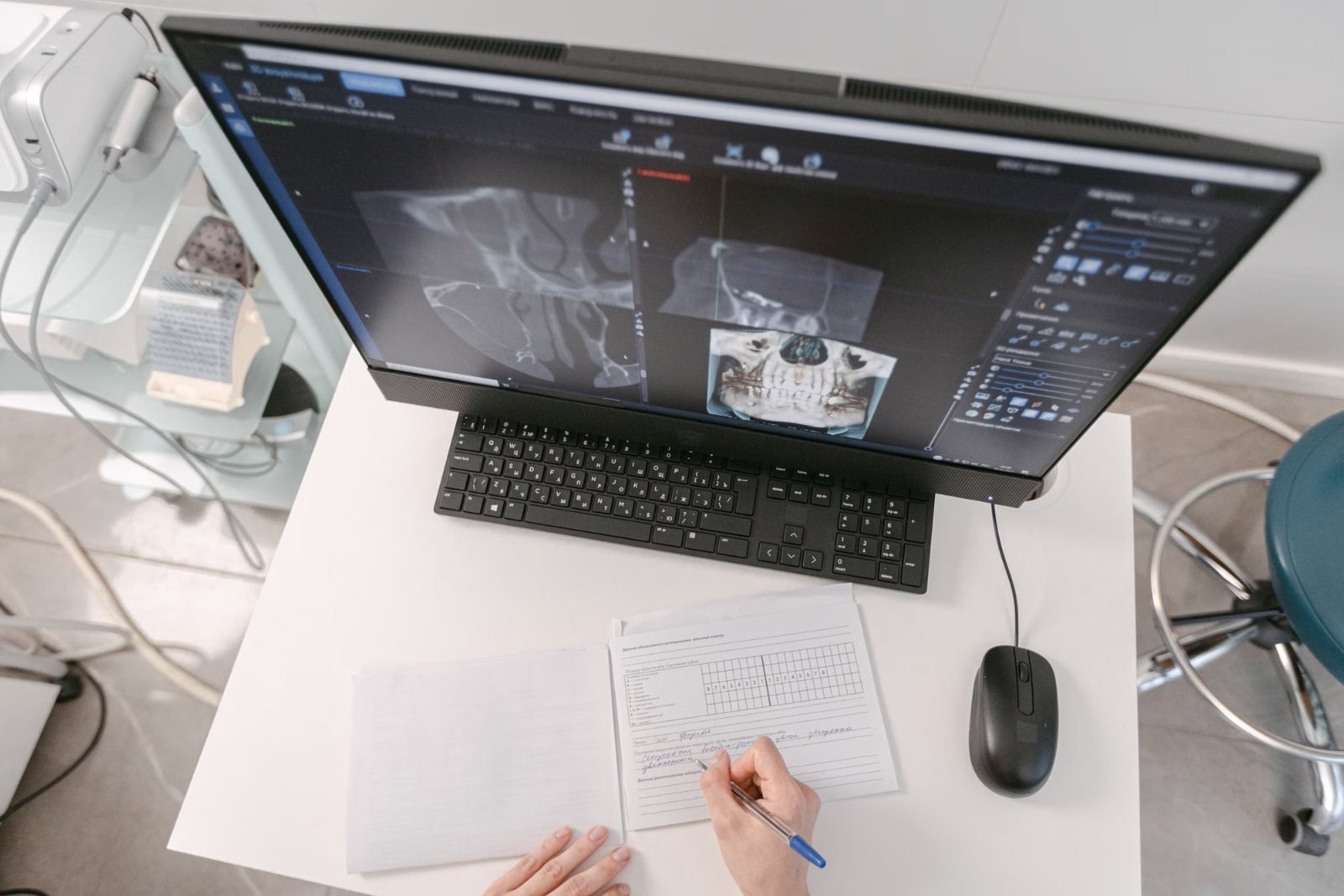 CT
What Are the Most Common Reasons for a CT Scan?
Why CT scans are used: injuries, sudden tummy pain, cancer, suspected stroke and chest problems. How referral works and what the radiation dose means.
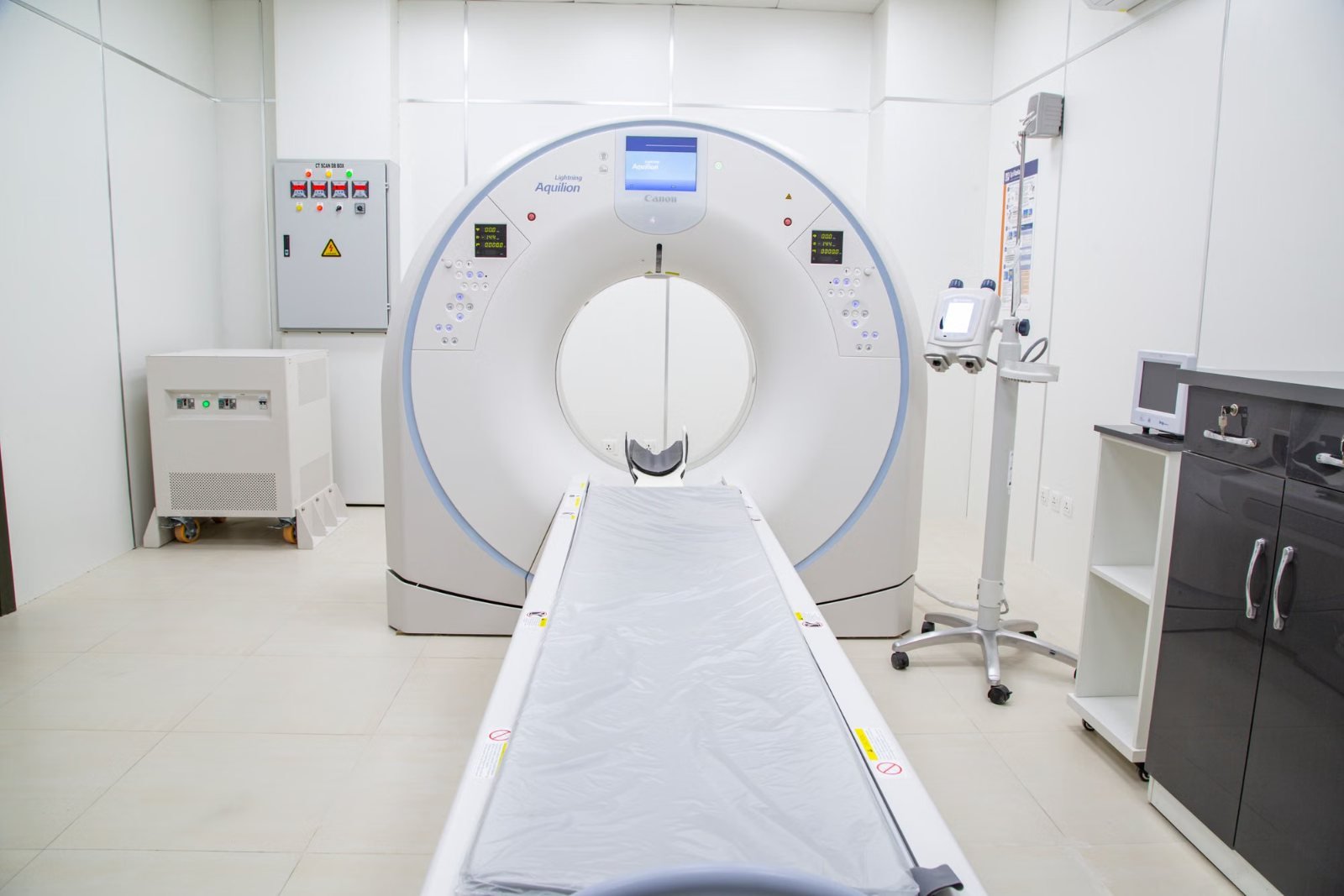 CT
CT Abdomen and Pelvis Explained
What a CT scan of the abdomen and pelvis shows, why contrast drinks and injections are used, how to prepare, the radiation dose and how UK referral works.
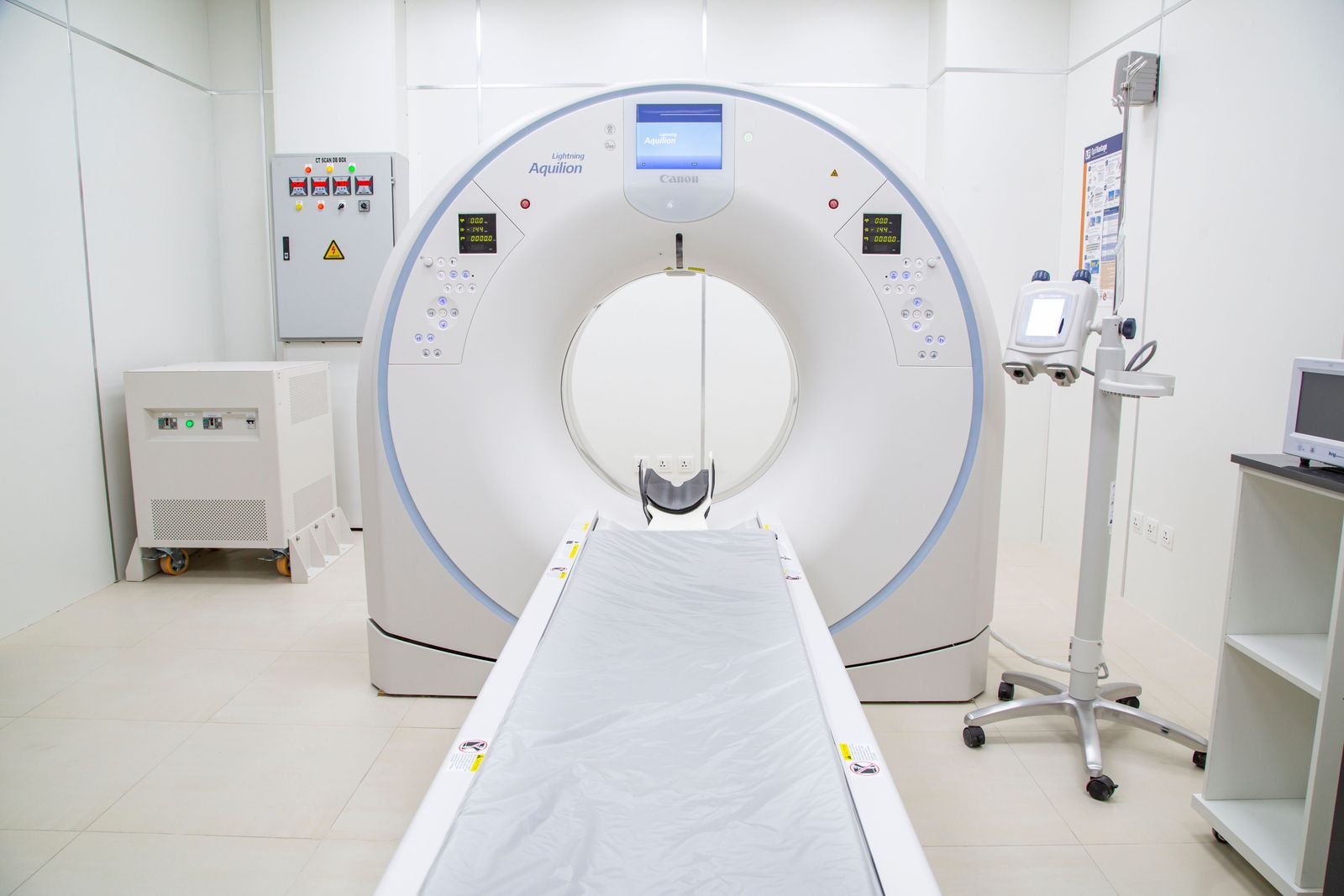 CT
CT Coronary Angiogram and Calcium Score Explained
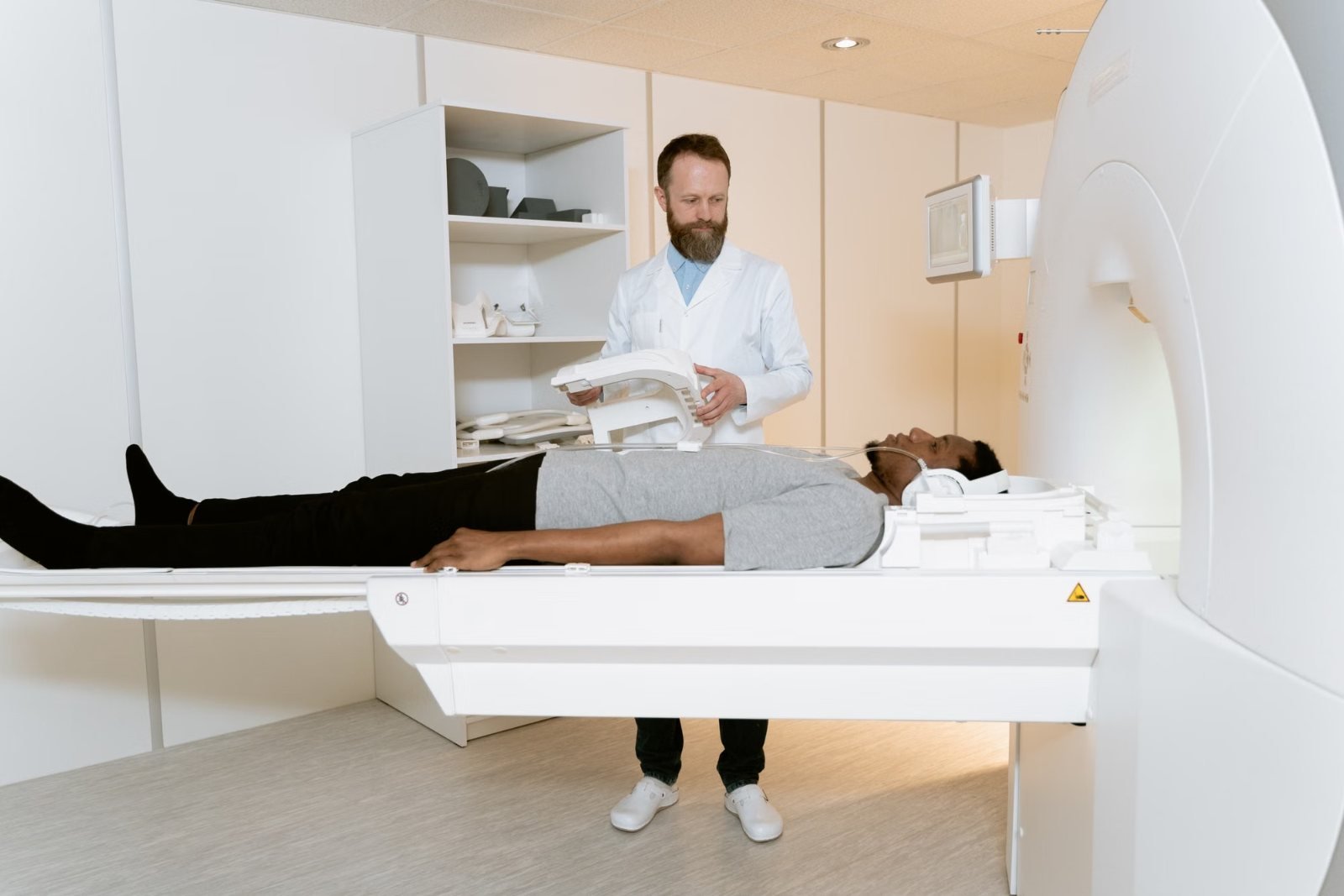
Two CT scans look at the heart's arteries in different ways. What a CT coronary angiogram and a calcium score show, and why both need a referral.
 CT
CT With Contrast: What to Expect and How to Prepare
CT with contrast explained: what the iodine-based dye is, how it is given, what it feels like, how to prepare, the risks and what to do after your scan.
 CT
Which Scan Looks at the Pancreas? CT, MRI and Ultrasound
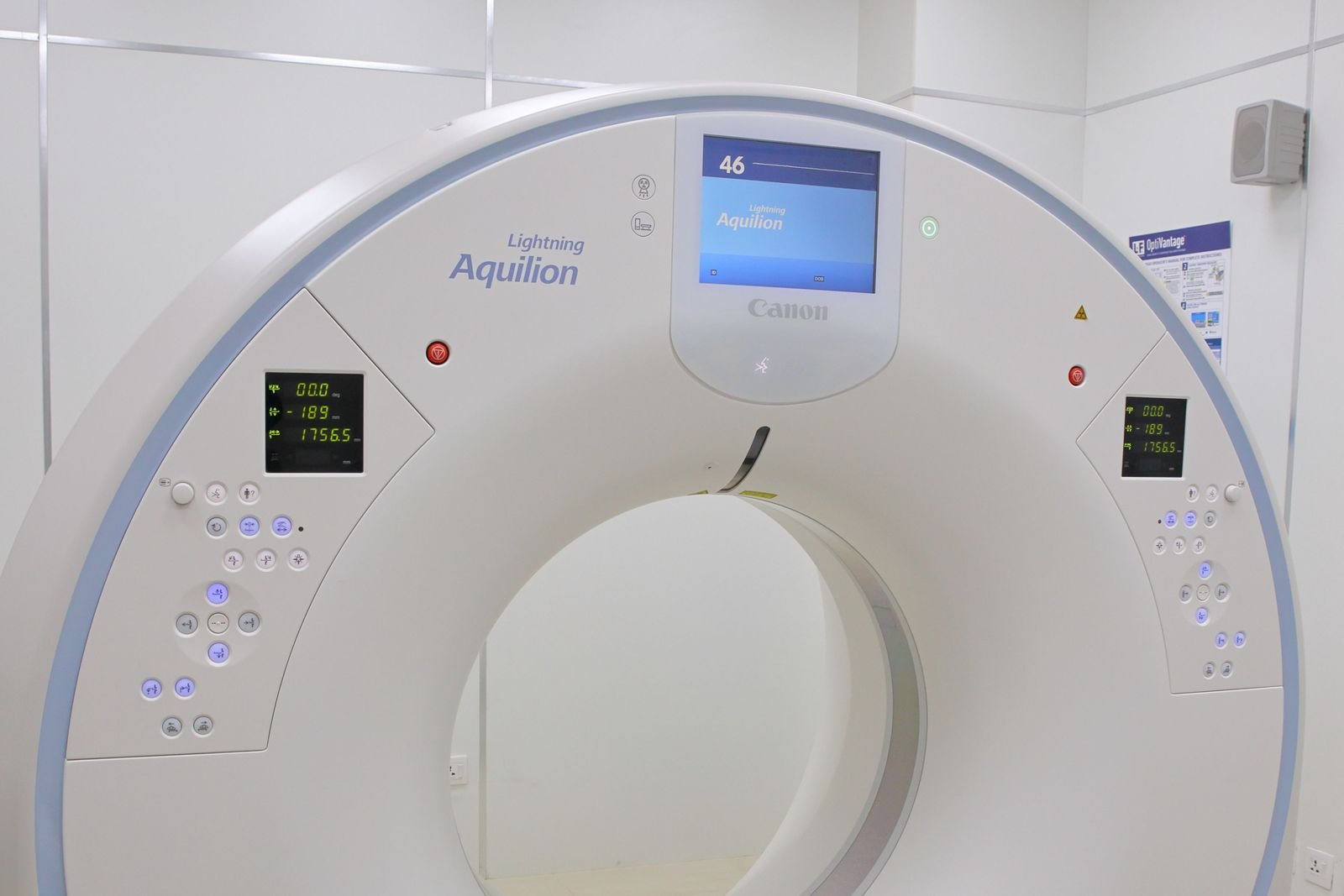
The pancreas is one of the hardest organs to see. Where ultrasound, CT, MRI and MRCP fit, why the GP comes first, and the symptoms that need urgent help.
 CT
Blocked Sinuses That Will Not Clear: Do You Need a CT Scan?
The NHS says most sinusitis clears within 4 weeks without a scan. When a sinus CT is used, why plain X-rays are not, and when to get urgent care.
 PET-CT
What Is a PET Scan? PET CT Scans Explained, and PET Scan vs CT Scan
What is a PET scan? How a PET CT scan works, PET scan vs CT scan, fasting and diabetes advice, the radioactive tracer, how long it takes, results and referral.
 CT
NHS lung cancer screening: what the national rollout means for you
NHS lung cancer screening is rolling out across England. Who is invited, what happens at the lung health check and CT scan, and the benefits and limits.
 CT
Which scan is used for kidney stones?
CT scan for kidney stones explained: why low-dose CT KUB is usually first for adults, when ultrasound or X-ray is used, and when to get urgent help.
 CT
How Much Does a CT Scan Cost, and What Changes the Price?
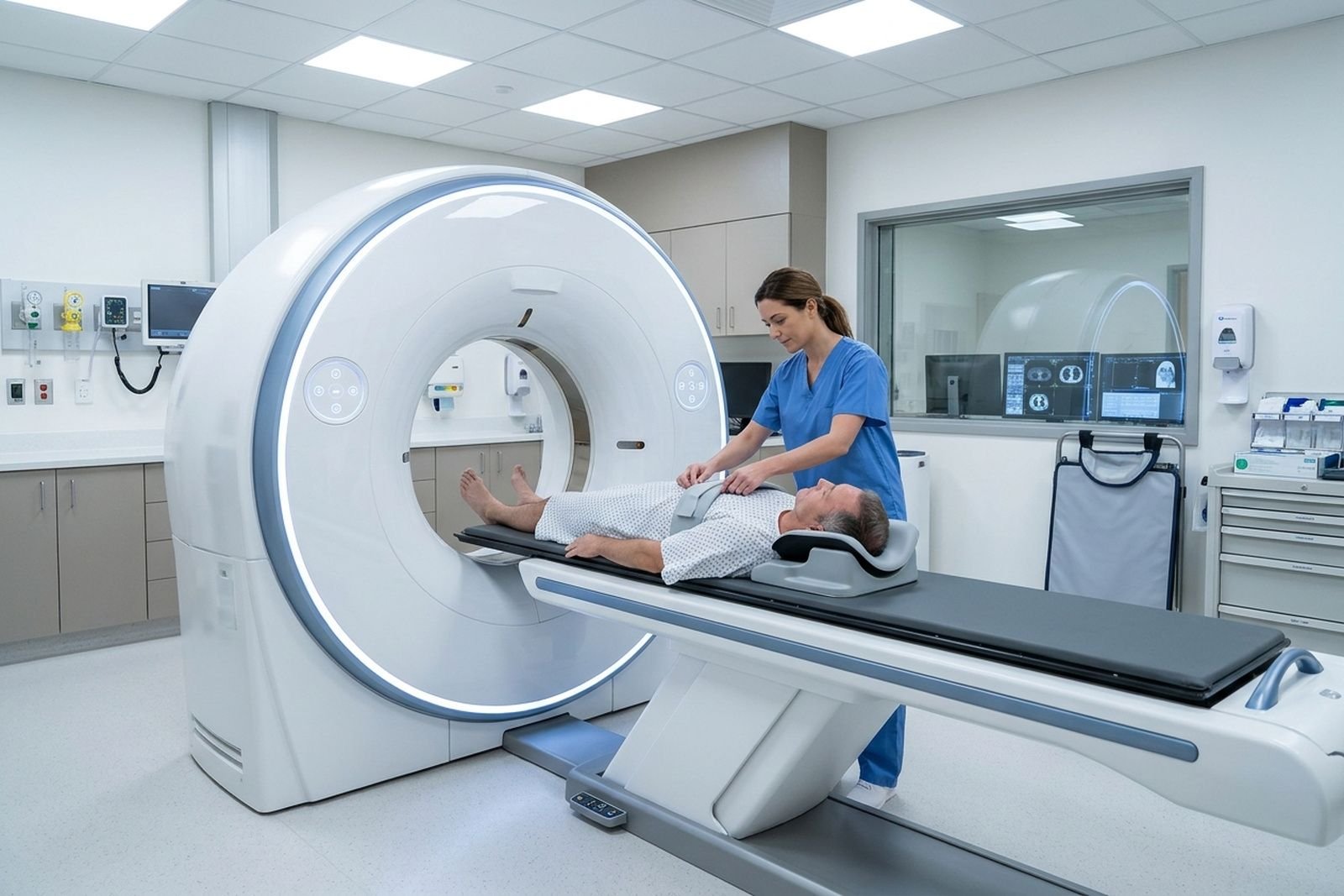
Private CT prices vary widely for the same scan name. The six things that actually move the number - body areas, contrast, reporting, referral, setting and urgency.
 CT
CT Chest Scan: What It Shows and Who Should Have One
A chest CT sees what an X-ray cannot - at roughly 400 times the radiation dose. Here is what it shows, what it costs, and why screening CT is a different scan.
 CT
Private CT Scan Cost in the UK: What Affects the Price
Private CT prices vary between providers and body areas. Here is what moves the price, and what the quote often leaves out.
What a CT scan is for
A CT scan takes X-rays from many angles and combines them into cross-sectional images of the body. It is fast, with the scan itself taking seconds and the whole appointment usually 10 to 20 minutes, and it is particularly good for bone, the lungs, the abdomen and pelvis, and blood vessels when a contrast dye is used. That speed is why CT is the workhorse of emergency imaging and why it is often chosen when a quick, clear answer matters more than fine soft-tissue detail.
Getting a private CT scan
Because CT uses ionising radiation, every scan has to be justified by a referrer under the Ionising Radiation (Medical Exposure) Regulations 2017. In practice that means private CT clinics ask for a referral from a GP or consultant, or arrange one through their own clinician, rather than simply taking a booking. If contrast dye is needed, the clinic may also ask about kidney function and any previous reactions before the appointment. Our guides to chest CT and what a private CT scan costs in the UK go into the detail, and MRI vs CT explains when each scan is the right tool.
Comparing CT clinics on FindScan
CT clinics listed on FindScan publish the price they charge for each scan and we show it as the clinic sets it. You can search CT scans by location, compare the clinics near you, and send an enquiry to the one you choose. The private CT scan page covers how the scan works, how long it takes and what to expect on the day.